Overview
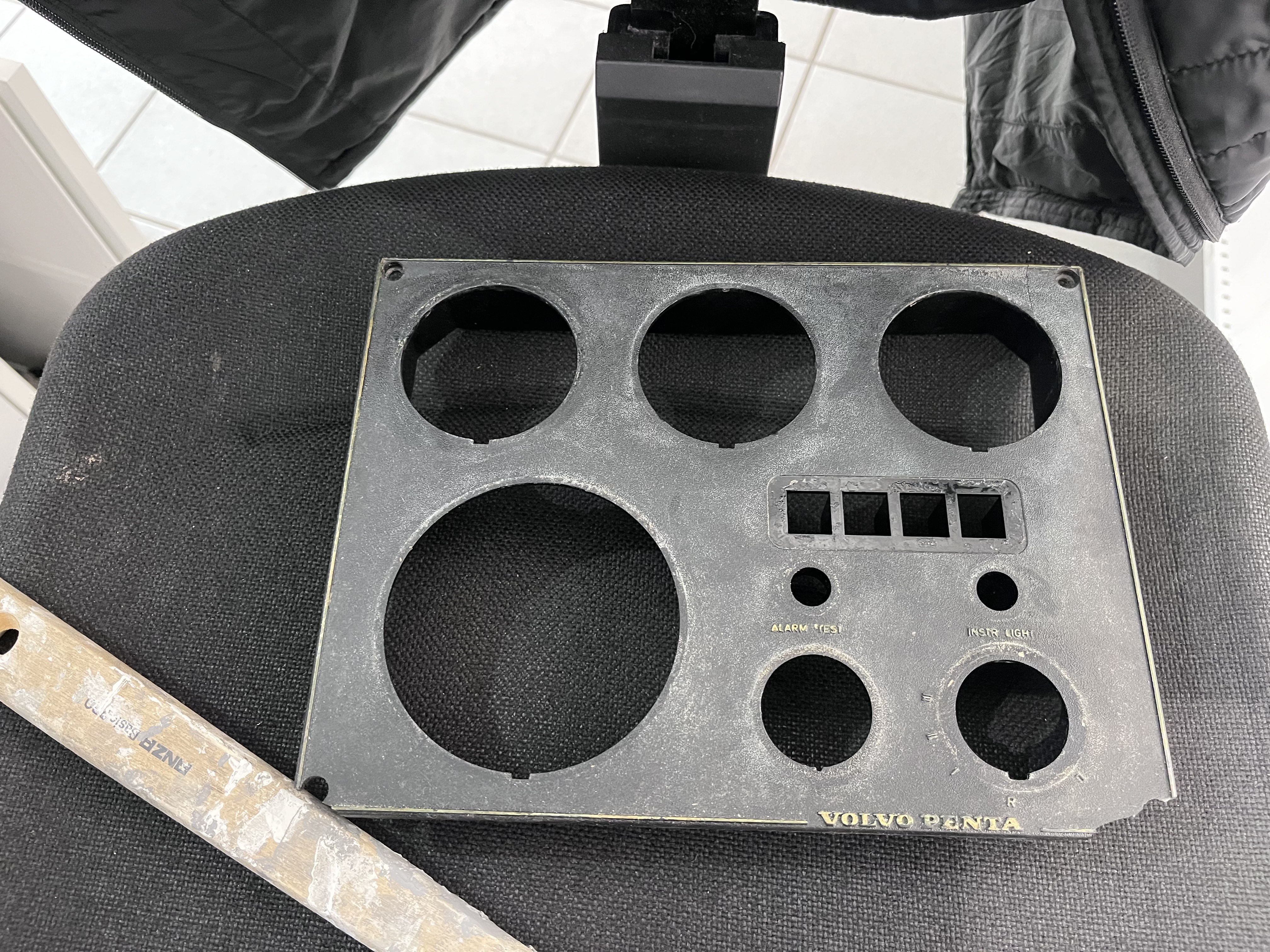
This project focused on designing, analyzing, and manufacturing a 3D printed structural component intended for use in a marine environment. The objective was to evaluate whether a polymer-based solution could maintain sufficient stiffness and dimensional stability when exposed to elevated temperatures typical for boat installations.
The workflow combined CAD design, thermal and structural simulation in ANSYS, and additive manufacturing using PETG. By validating the design through simulation prior to printing, the project aimed to ensure reliable real-world performance while keeping the component lightweight, durable, and suitable for installation on a boat.
Engineering Challenge
Several key challenges guided the project:
- Evaluating thermal effects on a polymer component used in a boat environment
- Ensuring that temperature-induced deformation remained within acceptable limits
- Accurately transferring thermal results into a structural analysis
- Selecting a 3D printable material with sufficient thermal and mechanical performance
- Achieving a durable surface finish suitable for moisture, sunlight, and wear
- Avoiding overdesign while maintaining confidence in structural integrity
Since polymers are more sensitive to temperature than metals, understanding deformation behavior under heat was a critical aspect of the design process.
Engineering Approach
Thermal & Structural Simulation (ANSYS):
The component was first modeled in CAD and then imported into ANSYS for simulation. A steady-state thermal analysis was performed to simulate exposure to an ambient temperature of 50 °C, representing a relatively demanding thermal scenario for a boat-mounted polymer component.
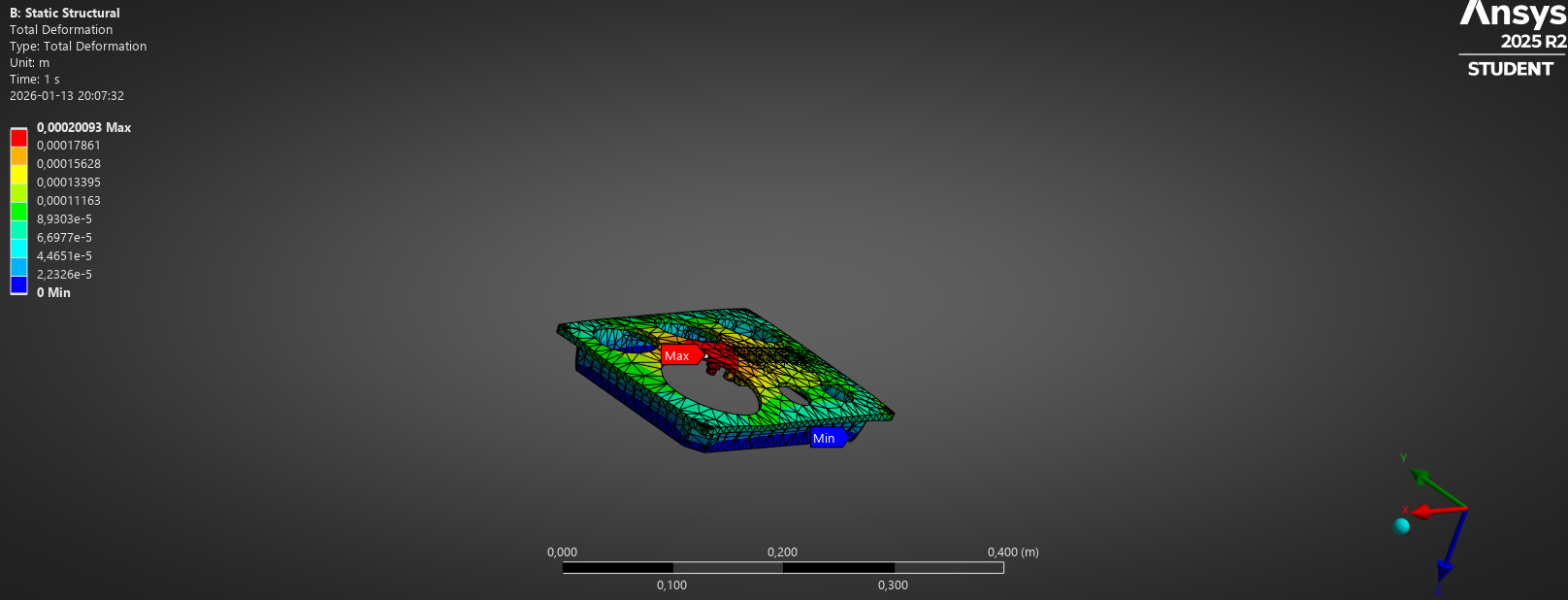
The resulting temperature distribution was then mapped into a static structural analysis to evaluate thermally induced deformation. This coupled approach made it possible to realistically assess how thermal expansion would affect the part under operating conditions.
The analysis showed:
- Maximum deformation: 0.0002 m (0.2 mm)
- Applied temperature: 50 °C
Even at a relatively high operating temperature for PETG, the predicted deformation was very small and well within acceptable limits, indicating good dimensional stability.
Additive Manufacturing, Surface Finishing & Material Selection:
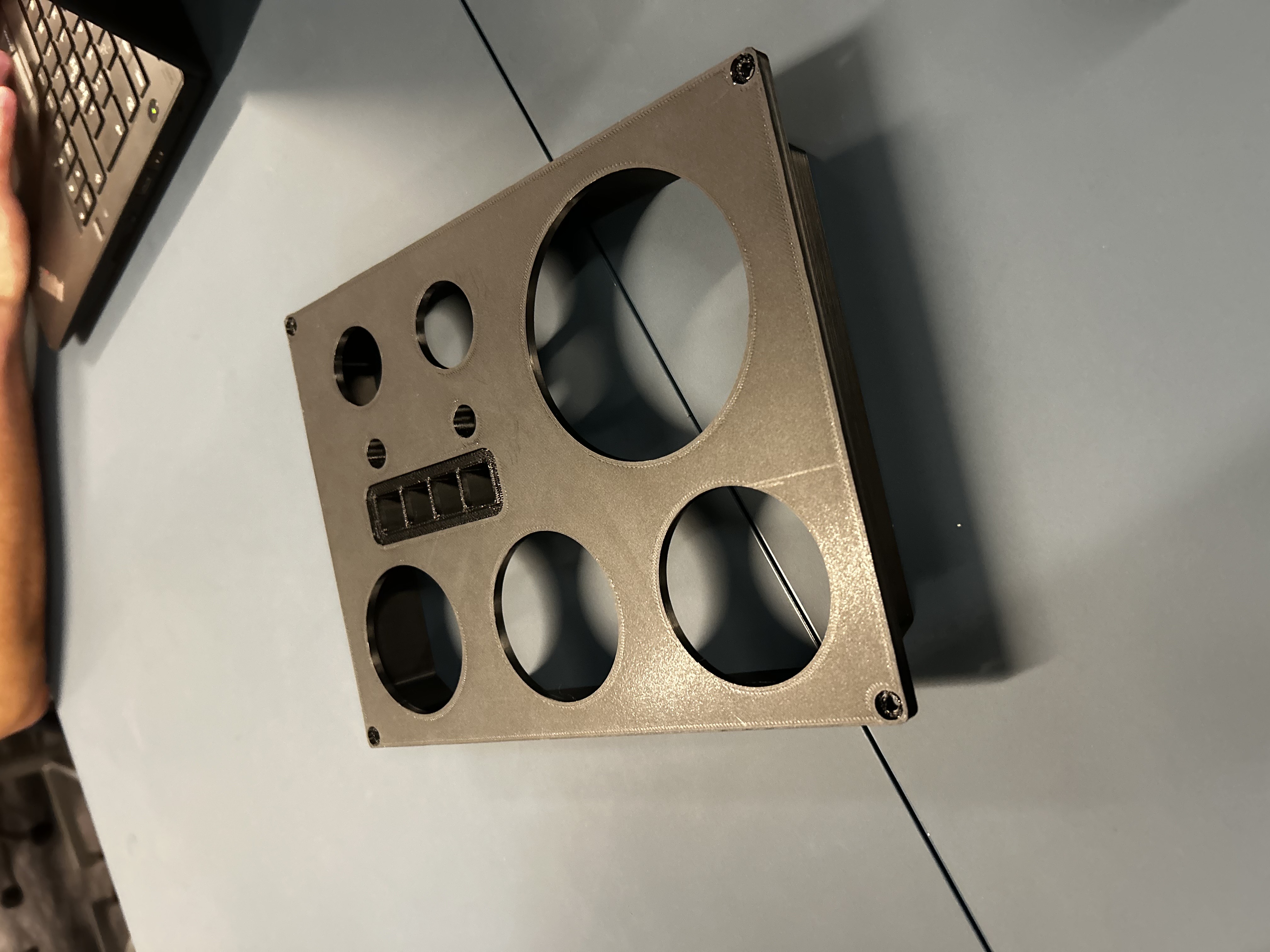
Based on the simulation results, the component was manufactured using PETG, selected for its balance of:
- Improved thermal resistance compared to PLA
- Good layer adhesion and impact toughness
- Suitability for functional parts exposed to moderate heat
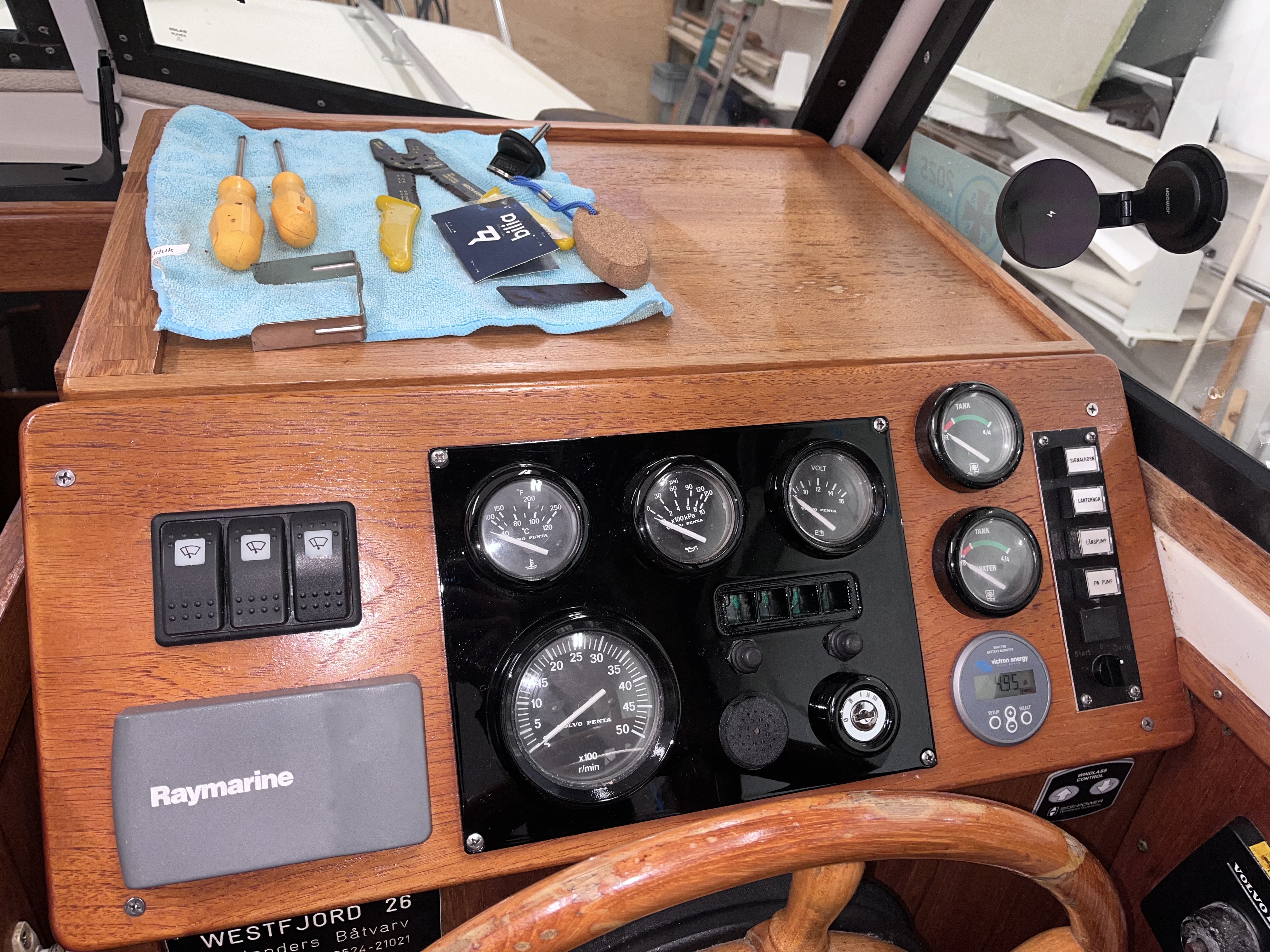
After printing, the component underwent post-processing and surface finishing to improve durability and appearance. A base coat of paint was applied, followed by a clear coat, providing a smoother surface, improved resistance to moisture and UV exposure, and a finish appropriate for use in a boat interior.
The finishing process also contributed to a more refined, production-like appearance.
Result
The finished component demonstrated strong agreement between simulation results and real-world expectations. The low predicted deformation under thermal load confirmed that PETG was a suitable material choice for this marine application, even at elevated temperatures.
This project demonstrates proficiency in:
- CAD design for additive manufacturing
- Coupled thermal–structural analysis in ANSYS
- Simulation-driven material selection
- Post-processing and surface finishing of 3D printed parts
- Translating digital validation into a functional, real-world boat component
Overall, the project highlights a complete engineering workflow where computational analysis, material understanding, and hands-on manufacturing are combined to produce a reliable and well-finished component for marine use.